

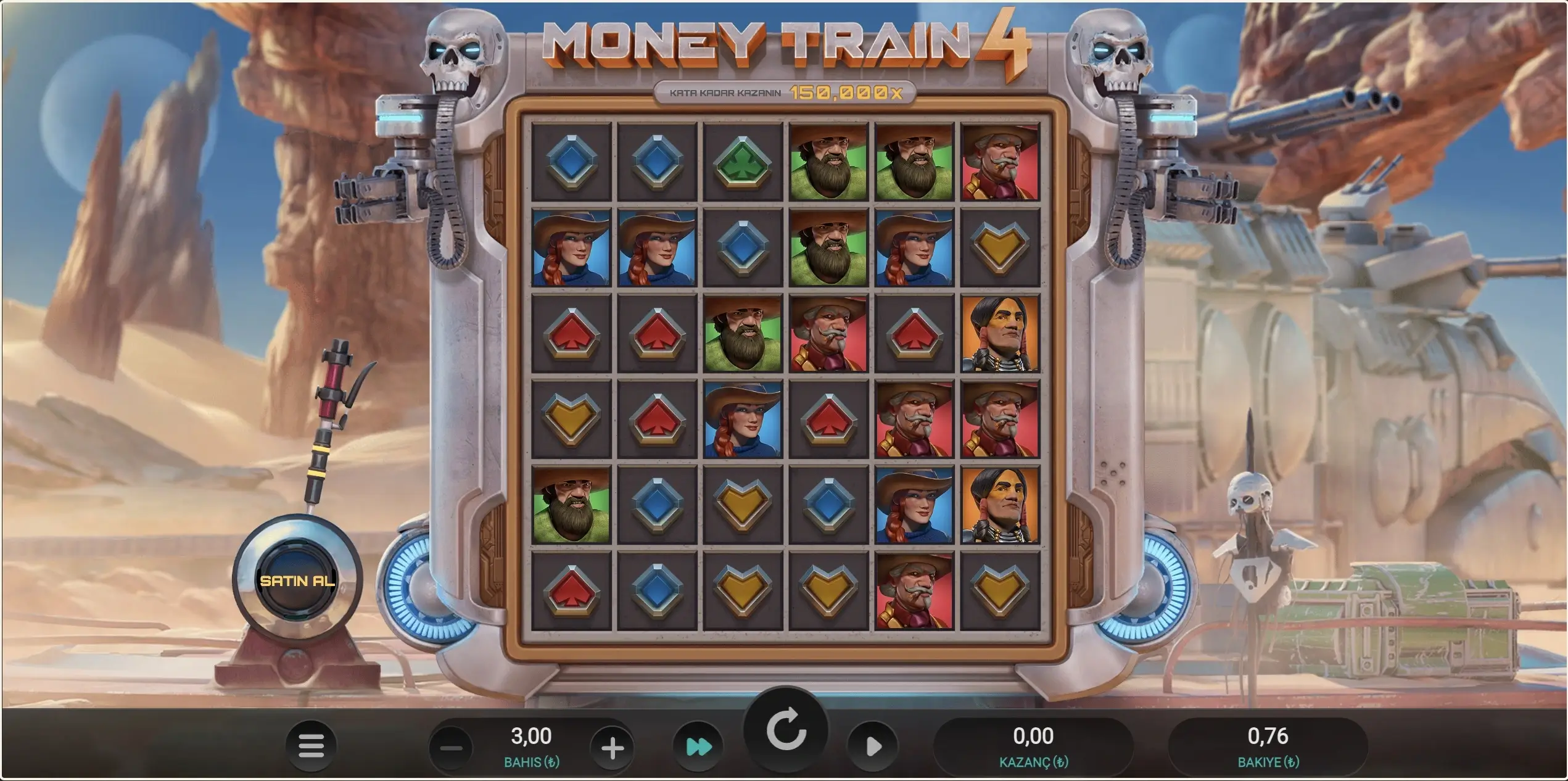
To be entirely truthful: the phrase ‘estate planning’ often leads to blank stares. It comes across as a tedious, complicated task for a far-off time. But what if I revealed that building a permanent estate can be tackled with the same thrilling anticipation as awaiting the big bonus round on a favourite slot money train 4 gamble like Money Train 4? That’s the mindset I want to inject into this dialogue. Just like you wouldn’t spin the reels without understanding the game’s bonus elements, you ought not to manage your financial future without a strategic plan. I’m going to walk you through converting that daunting ‘wait’ into forward-looking, strong measures. We’ll examine how people in the UK can stop just hoping for the best and start deliberately constructing a legacy that functions. This ensures your hard-earned assets, your personal ‘Money Train’, end up in the proper place, for the right people, at the proper moment.
When to Get Professional Financial Advice across the UK
While there’s plenty you can organise yourself, the genuine advantages and tax efficiencies arise with professional guidance. My view is this: if your affairs involve property, dependants, assets over the IHT threshold, or any complexity like business ownership or blended families, professional advice is not a cost. Consider it an investment. A good Independent Financial Adviser (IFA) or solicitor will look at your entire picture. They’ll align your Will, Trusts, LPAs, pension nominations, and life insurance into a coherent, tax-optimised approach. They’ll explain the implications of every choice. They’ll guarantee your plan is legally sound. View them as your expert game strategist. They help you get the most from your legacy plan. They ensure every element works together to protect and provide for your loved ones just as you intend.
The Virtual World: Your Internet Property and Legacy
In the current era, a vital element of your assets is online. This aspect is frequently neglected. Your virtual estate encompasses all items from cryptocurrency wallets and online investment portfolios to social media accounts, photo libraries on the cloud, and even valuable gaming accounts. In contrast to a bank statement in a drawer, these items can be invisible to your executors. My advice is to establish a secure digital assets list. This isn’t about writing passwords in your Will. That’s unsafe, as Wills become public. Alternatively, provide clear instructions for your executors on how to access and access these assets. Enumerate your key online accounts. Document where your crypto keys are stored securely. State your wishes for each profile. Addressing this ensures your digital ‘Money Train’, your online presence and wealth, isn’t lost in the ether.
Digital Networks and Sentimental Digital Value
Your digital footprint holds immense sentimental value. Images on Instagram, posts on Facebook, a blog you’ve written, these are chapters of your life’s story. Services provide processes for memorialising or closing accounts. But your executors need to know your preferences. Would you like your profile converted to a memorial page, or erased fully? Leaving a note with these wishes is a simple yet profoundly considerate act. It spares your loved ones the painful uncertainty during their grief. It ensures your digital memory is managed with the same care as your physical possessions.
Digital Currency, NFTs, and Contemporary Valuables
This is the emerging landscape of estate planning. Cryptocurrencies and NFTs are uncentralised. There’s no financial institution to call if your heirs cannot locate your private keys. If those keys are lost, those assets is gone forever, completely unattainable. Your plan must include secure, offline instructions on how to access these holdings. This might involve hardware wallets stored in a safety deposit box with clear guidance. You might use a secure digital legacy service. Viewing these holdings as an afterthought is like stashing valuables without a map. You need to offer the resources for your heirs to properly receive their inheritance.
Typical Estate Planning Pitfalls (Along with Methods to Steer Clear of Them)
Despite the best intentions, it’s easy to stumble. One major pitfall is ‘set and forget.’ An old Will that overlooks a new grandchild, a divorce, or changed financial circumstances can be worse than no Will at all. I recommend a review every five years or after any major life event. Another huge error is forgetting to update your pension and life insurance beneficiary nominations. These often pass outside of your Will directly to the named person. That can override your current wishes. Moreover, exercise caution with putting property in joint names with an adult child without legal advice. It could lead to big tax and care fee complications. My golden rule? Every decision needs to be reviewed with a qualified professional. What looks like a simple shortcut can often lead to a costly long-term trap.
Why “The Delay” in Estate Planning is Your Most Significant Risk
I understand. Putting it off is appealing. Life is demanding, and estate planning feels like a task for ‘later.’ But here’s the plain reality: ‘later’ is not a plan. The minute you procrastinate, you hand control of your legacy over to UK law, specifically the rules of intestacy. The chances in that game are terrible. Intestacy dictates a rigid, one-size-fits-all distribution of your estate. It might completely ignore your unmarried partner, your stepchildren, or the specific charities you care about. It can also generate unnecessary Inheritance Tax (IHT) bills that proactive planning could have softened. Think of it like letting a slot machine’s auto-play run without ever checking the paytable. You’re just wishing for a good outcome, not engineering one. The ‘wait’ isn’t just passive. It’s actively risky. By postponing, you bet with your family’s financial security and emotional well-being during what will already be a difficult time. Let’s swap that uncertainty for control.
Keeping up Your Plan: Preserving Your Legacy on Track
Your legacy plan is a dynamic entity. It is not a document you store forever. Life is remarkably unpredictable. Marriages, births, new homes, financial windfalls, all of these shift the game. I plan a ‘legacy review’ for myself annually. It’s like a financial health check. Did I acquire a new asset? Has my relationship with a nominated person shifted? Have the laws shifted? UK finance laws often do. This proactive maintenance is what distinguishes a good plan from a great one. It ensures your strategy develops with you. It remains relevant and effective. It turns estate planning from a one-time chore into an sustained, empowering part of your financial life. This gives you ongoing confidence and control. That’s the ultimate prize: the peace of mind that comes from knowing your train is firmly on the right tracks, heading exactly where you want it to go.
Building Your Legacy: It’s About More Than Wealth
When we discuss your ‘estate,’ we’re discussing your story. Your legacy is the total sum of your values, experiences, and assets transferred. It’s not just your savings account. It’s the family cottage, the letters you wrote, the shares in a beloved company, the sentimental value of a collection. I ask clients to think comprehensively. What do you want to be remembered for? Maybe it’s funding a grandchild’s university education. It could be leaving a bequest to a local animal shelter. Perhaps it’s passing on a family business with clear guidance. Outlining your wishes for heirlooms, conveying your values in a letter to your family, or creating a small charitable trust can have an impact far greater than cash. This is where estate planning transforms. It converts from a financial task into a profound act of love and intention.
Understanding the Language: Testaments, Trust Funds, and LPAs Explained Simply
Before we build a strategy, we need to understand the options. Don’t fret, I’ll ensure this clear. Your Will is the true bedrock. It’s your straightforward guide for your belongings. Without one, as we’ve discussed, the state takes over. But a Will by itself sometimes isn’t sufficient for a comprehensive inheritance. That’s where Trusts play a role. Imagine a Trust as a safe container you establish and set rules for. You appoint trustees, the reliable managers, to administer assets for your selected recipients. This can provide powerful defense against IHT, care fee assessments, or even a beneficiary’s future separation. Then, we have Lasting Powers of Attorney, or LPAs. These aren’t about death. They’re about life. An LPA grants someone you have confidence in the official right to take care of your financial affairs or health matters if you are without capacity. It’s the ultimate safety net, ensuring your wishes are respected even when you can’t express them yourself.
Your Will: The Essential Base
View your Will as the essential first spin on your legacy journey. It’s where you name your executors, the people who will fulfill your wishes. You detail who gets what, from your house to your prized Money Train 4 memorabilia. You designate guardians for any minor children. A professionally drafted UK Will addresses complexities like business assets or blended families. It’s not just a document. It’s a statement of care. I’ve seen families broken up by ambiguous homemade Wills. A clear, legally sound one provides peace and clarity. My advice? Don’t rely on a cheap online template for something this important. Obtain professional advice to make sure it’s watertight and truly mirrors your unique situation.
Trusts: Beyond the Basic Will
If a Will is the main track, a Trust is a distinct feature that can boost your legacy plan. They aren’t just for the ultra-wealthy. For example, a Property Protection Trust inside a Will can safeguard a share of your home for your children if you’re survived by a spouse. This defends it from future care costs. A Bare Trust for a grandchild can be a tax-efficient way to build a nest egg for their future. Trusts give you precision control. You can set things like “my daughter gets access to this fund at age 25” or “this money is for education only.” They introduce layers of protection and strategy that a simple Will cannot match. This makes your legacy plan more robust and customized to your wishes.
Inheritance Tax: Managing the UK’s “Voluntary Levy”
People often call Inheritance Tax as the UK’s ‘voluntary levy’. There’s a valid reason for that. With careful planning, the majority of estates can mostly avoid it. The present threshold, a £325,000 nil-rate band possibly rising to £500,000 with the residence nil-rate band, indicates a large part of your estate can transfer tax-free. But action is the key. IHT is charged at 40% on everything above your allowances. Being passive and hoping is a detrimental move. The ‘wait’ here directly benefits the taxman. The positive news? The UK system has many lawful exemptions and reliefs. You can give assets during your lifetime. You can use annual gift allowances. Donating a part of your estate to charity can lower the rate. You can utilize business property relief. It’s about organizing your assets to ensure your wealth train moving within your family. The goal is to keep it being thrown off track by an surprise tax bill.
Starting Out: Your First 5 Steps to Action
Energetic and keen to ditch the wait? Let’s direct that energy into direct, actionable moves. You are not required to have everything figured out to start. You just need to take the first step. Firstly, collect your key data. Write down your key assets, including property, financial reserves, and investments, and your liabilities. Next, reflect on your trusted persons. Who would you appoint as an executor, an legal representative, or a guardian? Thirdly, arrange a appointment with a qualified, independent financial advisor or solicitor who specialises in succession planning. This is your key step. Fourth, share your thoughts with your relatives. Open communication prevents surprises and disagreements later. Finally, focus on your LPAs. These advance directives are arguably more urgently needed than a Will. Loss of capacity can happen at any time. Taking these steps moves you from bystander to controller of your financial destiny.